Pee Dee Region Hub
Where I-95 and I-20 meet. Where healthcare, agriculture, logistics, and manufacturing converge. Where RapidSync's expertise spans all of it.
Get Your Free Quote →Florence isn't a destination. It's a crossroads. I-95 runs north-south (Miami to Canada). I-20 runs east-west (Charleston to Atlanta to Texas). They intersect near Florence, making the city one of the busiest freight corridors in the Southeast.
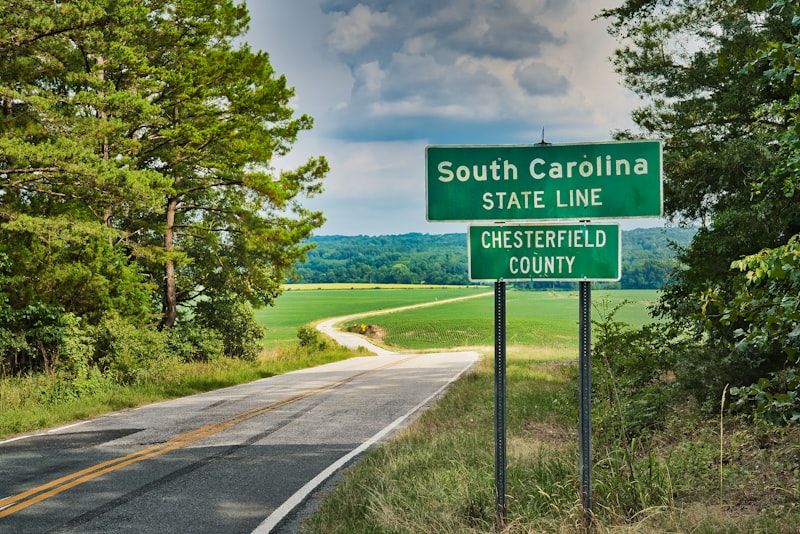
That geographic reality shapes Florence's economy. Yes, there's a city of ~45,000 residents. But Florence is the economic hub for the entire Pee Dee region — a rural area of ~250,000 people spanning multiple counties (Florence, Darlington, Marion, Dillon, Chesterfield, and more).
The result: Florence's workers' comp landscape is remarkably diverse. Trucking and logistics. Regional healthcare. Rural agriculture. Manufacturing. Retail and services. Rural construction. Each industry has different classification challenges, different hazard profiles, different audit risks.
McLeod Health is the largest private employer in the Pee Dee region. 900+ beds. Multiple hospitals. Clinics and urgent care centers across Florence, Darlington, and surrounding counties. Thousands of employees: nurses, doctors, techs, housekeeping, food service, security, administrative staff.
Healthcare workers' comp is high frequency, moderate severity. Back injuries from patient handling. Bloodborne pathogen exposures. Slip-and-fall incidents. Stress-related claims. Psychiatric injuries from workplace violence.
RapidSync advantage: Healthcare is our specialty. We understand ergonomic protocols, safety culture, workers' comp integration with occupational health, and audit defense for healthcare systems.
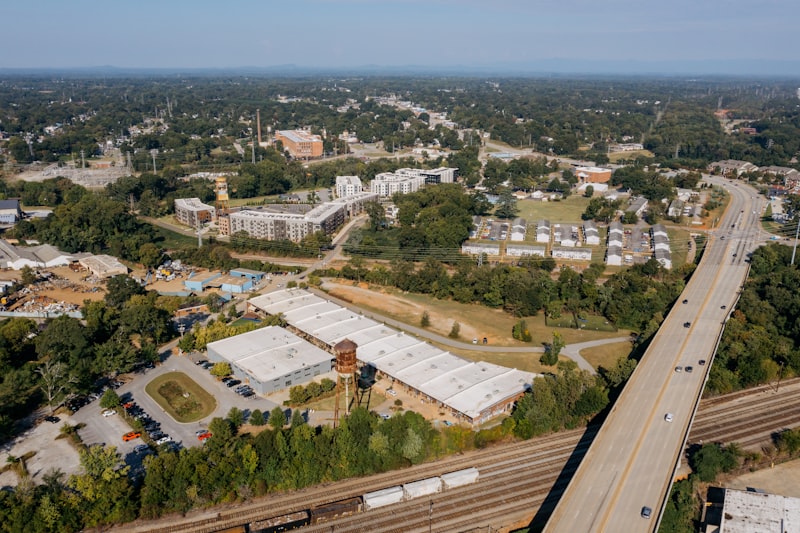
Millions of tons of freight move through Florence every year. The interchange area is packed with:
Owner-Operators vs. Employees
SC law requires coverage if the person acts like an employee. Many carriers misclassify to save premiums.
Driving vs. Dockwork
A driver who loads their own trailer = different code than driver-only. Auditors examine this closely.
Local vs. Over-the-Road
Local delivery (5403) costs less than OTR (5410). Mileage boundaries matter for classification.
Hazmat & Specialties
Hazmat drivers, tanker drivers, refrigerated transport have higher premiums and specific audit concerns.
The Pee Dee region is farm country. Soybeans, cotton, corn, tobacco, peanuts. Small family farms, larger operations, and everything in between.
Agricultural workers' comp is specialized. Seasonal crews hired during harvest. Family members working the farm (creating classification challenges). Equipment operation with high injury potential. Chemical exposures in some cases.
ATV and small engine manufacturing in Timmonsville (Chesterfield County, near Florence). Welding, assembly, painting, quality control. Several hundred employees.
Classification concerns: Assembly vs. setup vs. maintenance roles
Hartsville (Darlington County) is Sonoco's global HQ. Packaging, industrial products. Thousands of employees regionally. Multiple facilities.
Classification concerns: Production vs. quality vs. logistics roles
Steel manufacturing with operations in the region. High-hazard industry. Heat exposure, heavy equipment, chemical processes.
Classification concerns: Heat work premium codes, hazmat exposure
Darlington Raceway (The Track Too Tough to Tame) hosts NASCAR races, driving experiences, and major events that bring thousands of workers into Darlington County annually. Security, parking attendants, food service, maintenance, setup crews.
Seasonal event workforce creates unique workers' comp challenges: temporary workers, varying skill levels, high physical demands, and the need for quick coverage ramp-up for major events.
Home to Sonoco Products Company global headquarters. Larger than most Pee Dee communities. Growing healthcare and educational presence (Coker University).
NASCAR legacy, agricultural roots, historic downtown. Serves as Darlington County seat. Strong seasonal event workforce during racing season.
Marion County seat. More rural, agricultural-focused. Rural healthcare services, small manufacturing, farming operations define the economy.
Strategic I-95 location creates truck stop, restaurant, retail corridor. Different from traditional agriculture — more logistics-focused.
Most trucking operations misclassify
30–50% of their workforce
leading to $8,000–$25,000+ in audit adjustments.
The line between OTR drivers, local drivers, owner-operators, and dockworkers is blurry in practice. But it's crystal clear to auditors. RapidSync's trucking expertise prevents misclassification problems before the audit happens.
It's one of the busiest freight corridors in the US. The economic activity generates hundreds of workers' comp exposures — trucking, warehousing, logistics, equipment operation. Carriers and logistics firms operating in this corridor need specialists who understand the nuances of classification, owner-operator structures, and audit defense.
SC's classification system uses mileage and trip length. Generally, if a driver regularly leaves the state or operates on multi-day trips, they're OTR (5410, higher premium). If they return home daily and stay within reasonable distance, they're local delivery (5403, lower premium). Document trip logs and mileage to support your classification. Auditors will review this closely.
A trucking company (owns trucks, hires drivers) needs straightforward workers' comp. A carrier (brokers loads, uses independent contractors) has more complex coverage needs — they need to verify subcontractor coverage, manage liability exposure, and potentially carry different policy limits. RapidSync handles both.
Large healthcare systems like McLeod negotiate group health and occupational health services aggressively. But workers' comp is different — it's often a mandated, statewide program. Many large systems self-insure or use specialized carriers. RapidSync works with multi-location healthcare groups on statewide coordination, claims management integration, and safety culture alignment.
SC law has a family farm exemption, but it's narrow. If you hire outside workers (not just family), you need coverage for those workers. If you hire family members who work like employees, you likely need coverage. The structure matters. RapidSync has expertise in family farm classification and exemption documentation.
Temporary workers still need workers' comp coverage. You can use a staffing agency (they carry the coverage) or self-report payroll to your carrier. Event organizers typically report temporary payroll after the event. Document the dates worked and duties performed. RapidSync can help coordinate this to avoid coverage gaps.
Get a fast, accurate workers' comp quote tailored to your industry and workforce.
Get Your Free Quote →