Industrial Strength Coverage
Spartanburg County is where SC's manufacturing heartbeat pumps strongest. BMW supply chain. Michelin plants. Mid-size manufacturers by the hundreds. We speak your language — misclassification risk, audit exposure, workforce volatility.
Get Your Free Quote →Spartanburg isn't where the cars get built. But it's where they get started. Magna International, ZF Group, Draexlmaier, and dozens of tier-one and tier-two suppliers call Spartanburg County home — all feeding the BMW North America supply chain.
These mid-size manufacturers (50–500 employees) are the backbone of Spartanburg's economy and the sweet spot for specialty workers' comp coverage.
Unlike the big corporations with national insurance programs, these suppliers need local expertise, fast response, and coverage that understands the nuances of automotive supply chain labor.
350k+
County Population
100+
BMW Supplier Companies
I-85 Corridor
24/7 Logistics Hub
Michelin
3,000+ Local Jobs
Metalworking, assembly, CNC operations, welding, forklift operations, quality control.
High audit risk: misclassification of assembly vs. inspection roles
Michelin operations, compound mixing, vulcanizing, equipment maintenance, warehouse.
High hazard: chemical exposure, equipment maintenance protocols
I-85 corridor drivers, warehouse, loading/unloading, dispatch, yard operations.
Complex: driver classification, owner-operator exposure
Spartanburg Regional Medical Center, Mary Black Health System, allied health services.
High frequency: ergonomic injuries, bloodborne pathogen exposure
Boiling Springs residential boom, commercial development, specialty trades.
Growth sector: subcontractor verification critical
Cherokee County farming, seasonal harvest crews, equipment operation.
Specialized: seasonal workers, family farm structures
Here's what happens in a typical Spartanburg manufacturing audit: Your insurance company's auditor walks through your plant and spots what looks like "assembly" work. The classification code is 3219 (General Manufacturing, ~$35 per $100 payroll). But the auditor codes some of those workers as "Inspection" (5480, ~$22 per $100 payroll).
The difference? Just a handful of reclassified workers across 12 months can generate a $15,000–$40,000 premium adjustment bill. For mid-size manufacturers with tight margins, that's a surprise you don't need.
Boiling Springs has transformed over the past decade from a quiet bedroom community to one of the Upstate's hottest growth zones. New residential subdivisions, retail corridors, and service businesses are popping up constantly.
That growth creates new workers' comp challenges: small-to-medium construction contractors, HVAC services, plumbing, landscaping, home health services. Many of these businesses are growing fast but lack the HR infrastructure to stay compliant with classification and hour tracking.
RapidSync advantage: We have expertise in growth-phase businesses — companies that need fast, flexible coverage as they scale from 10 to 50 to 100 employees.
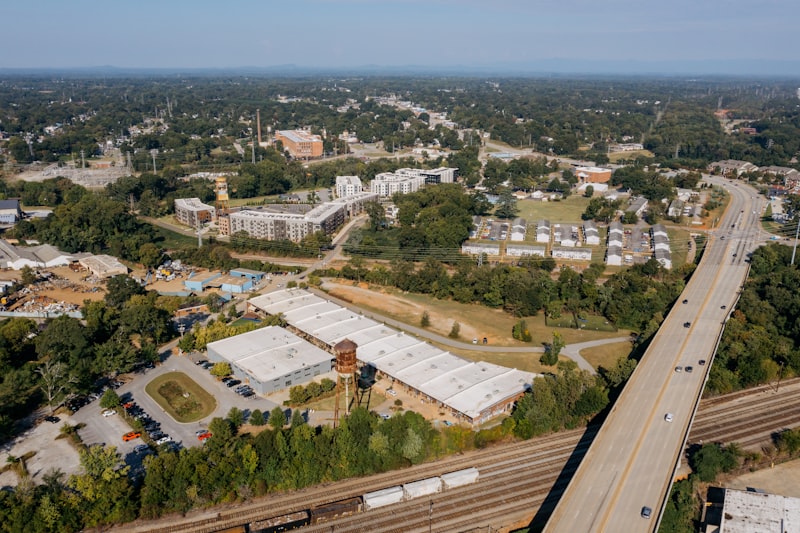
Gaffney is the heart of Cherokee County — more rural, more agricultural, more seasonal than the Spartanburg city/manufacturing core. Farming operations, seasonal harvest, equipment repair, farm supply businesses dominate the landscape.
Agricultural workers' comp is a specialty. Family farms operate differently from corporations. Seasonal crew hiring creates classification challenges. Equipment operation has unique hazard profiles.
Most Spartanburg manufacturers are paying
15–25% MORE
than they should because their coverage doesn't align with actual job duties.
A proper job classification audit with RapidSync typically finds opportunities to reclassify 2–5 workers into lower-premium codes. For a 50-person plant, that's easily $3,000–$8,000 in annual premium recovery. And you get audit protection in the process.
Misclassification between assembly and inspection/quality control roles. Assembly workers (3219) cost more than inspectors (5480). Many plants have workers doing 70% assembly and 30% inspection, but auditors often push to classify them solely as inspectors. Detailed time tracking and job description alignment prevent this.
Michelin sets a high bar for safety and compliance. Their direct employees have access to world-class occupational health programs, but their supply chain (contractors, temp workers, vendors) faces different risk profiles. If you're a contractor serving Michelin, you need coverage that can demonstrate comparable safety standards.
Owner-operators in the I-85 corridor are a gray area. SC law is clear: if someone acts like an employee (set schedule, company vehicle, company trailer, company customers), they need coverage. Many carriers try to classify them as independent contractors to save on premiums. That's a major liability. RapidSync has expertise in distinguishing legitimate owner-operator arrangements from misclassified employees.
Yes. Seasonal construction is common in the Boiling Springs corridor. We handle the complexity: temporary workers, subcontractor verification, work site rotating between multiple locations, and the challenge of tracking payroll mid-project. We build in the flexibility small contractors need.
Request a copy of their SC Form 44 (Certificate of Insurance showing workers' compensation coverage). Verify the carrier's name and the policy number. You can call the carrier directly to confirm the policy is active. Don't accept promises or verbal assurances. SC law holds you liable for uninsured subcontractor injuries even if you made a good-faith verification attempt.
Depends heavily on specific job mix and loss history. A typical automotive parts supplier (30 employees, mixed assembly and administration) pays $18,000–$28,000 annually. Safety improvements, safety culture, and proper classification can cut that by 10–25%. A free audit with RapidSync will show your exact opportunity.
Get a fast, accurate workers' comp quote tailored to your industry and workforce.
Get Your Free Quote →